Table of contents
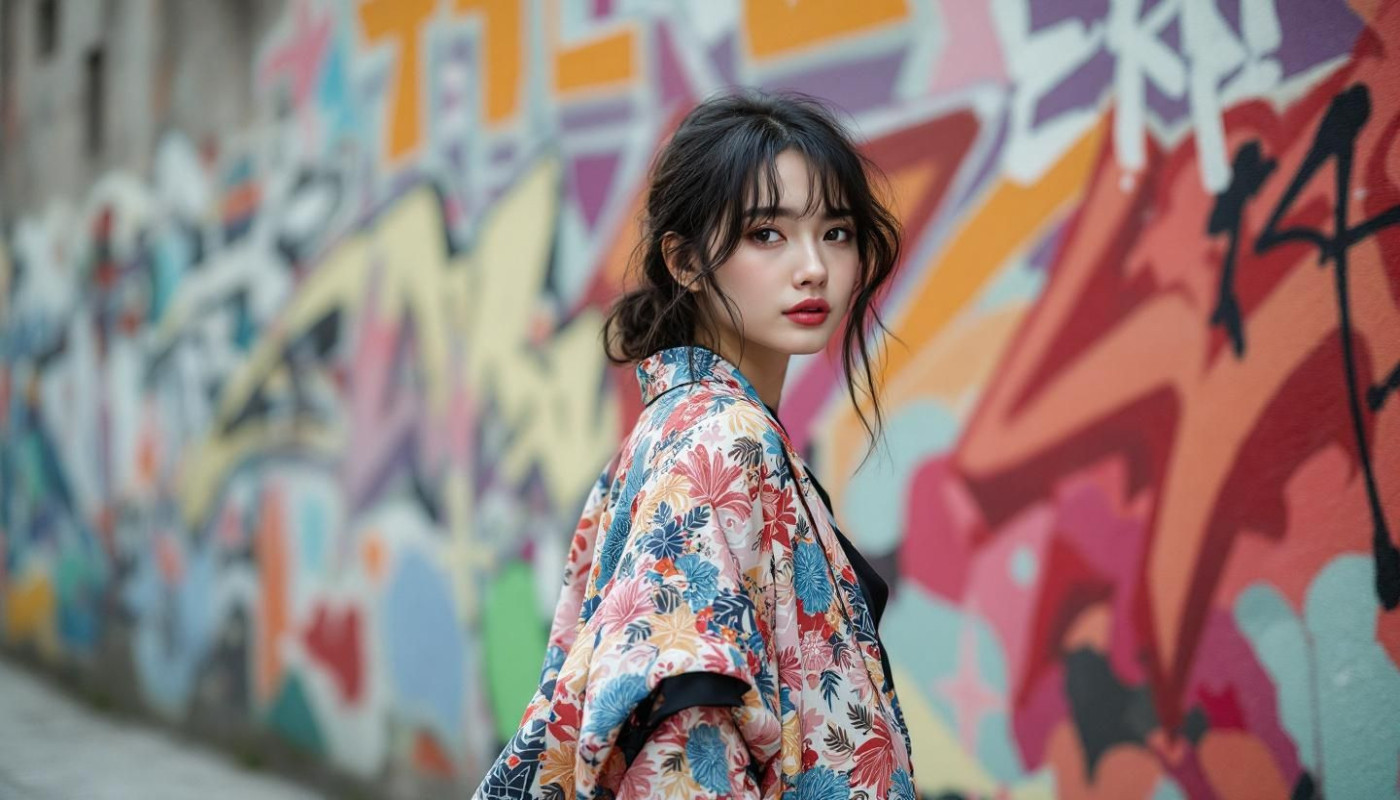
The modern kimono jacket stands as a vibrant symbol of cultural evolution, blending centuries-old tradition with contemporary style. Its journey from historical roots to present-day fashion is a fascinating exploration of heritage, identity, and innovation. Embark on a discovery of how these iconic garments continue to influence global aesthetics, and uncover the cultural significance woven into every thread.
The history behind modern kimono jackets
The origins of the kimono in Japanese heritage trace back to the Heian period, when layered garments became a distinctive aspect of traditional Japanese clothing. Early forms served practical and ceremonial purposes, reflecting social status and seasonal shifts through fabric choice and the meticulous use of motif. Over centuries, historical kimono design responded to both artistic innovation and societal change. For example, during the Edo period, variations in sleeve length, color, and textile motif denoted class distinctions, while the Meiji Restoration ushered in new influences as Japan opened to the West, prompting further kimono evolution.
Technological advancements in textile production and globalization during the twentieth century played a transformative role in the kimono jacket history. As Western fashion norms permeated Japan, the traditional kimono was gradually adapted into more versatile, contemporary forms, giving rise to the modern kimono jacket. This evolution reflects a dynamic interplay between preservation of Japanese heritage and adaptation to global trends. The modern kimono jacket incorporates iconic elements such as wide sleeves and elegant motifs, yet is tailored for daily wear, symbolizing both respect for historical kimono traditions and an embrace of innovation in design and utility.
Cultural symbolism and meaning
Modern kimono jackets are rich canvases of iconography, where every motif, color, and pattern carries deep-rooted messages tied to Japanese cultural meaning kimono traditions. Kimono symbolism is intricately woven into the fabric, with iconic patterns such as cranes representing longevity, cherry blossoms embodying fleeting beauty, and waves signifying resilience. Colors also play a significant communicative role; for instance, red often connotes celebration and happiness, while indigo is associated with tranquility and protection. These visual elements serve not only as aesthetic decoration but as a sophisticated language through which individuals demonstrate status, mark special occasions, or express personal identity. In contemporary Japanese fashion symbolism, the reinterpretation of classic kimono motifs and patterns allows wearers to engage in a dialogue that bridges historical significance with modern sensibilities, making kimono jackets powerful vehicles for self-expression and cultural continuity.
Within today's fashion landscape, kimono patterns are selected deliberately to align with social roles or to express individuality, illustrating how iconography retains its communicative power. The adaptation of traditional designs—such as the use of seasonal flowers or geometric shapes—enables modern wearers to participate in cultural rituals, signal alliances, or articulate aspirations. Kimono symbolism thus evolves, resonating with contemporary values while maintaining a link to the past. As a result, the enduring appeal of kimono jackets lies not only in their visual allure but also in their capacity to serve as meaningful cultural statements, reinforcing the ongoing relevance of kimono motifs and Japanese fashion symbolism in society.
Influence on global fashion trends
Modern kimono jackets have become pivotal in global kimono trends, with designers around the world drawing inspiration from their unique silhouette and heritage. The adoption and adaptation of kimono in fashion reflects a fascinating interplay of tradition and innovation, where the technical concept of fusion is at the heart of their appeal. Leading fashion houses in cities such as Paris, New York, and London regularly showcase collections featuring kimono adaptation, blending traditional Japanese textiles and motifs with contemporary tailoring techniques. This process has facilitated a vibrant cross-cultural exchange, allowing the kimono jacket influence to transcend its origins and become a statement piece in international fashion. The versatility of the garment has further contributed to its widespread popularity, as it can be combined effortlessly with both casual and formal attire, making it a dynamic element in wardrobes across the globe.
The international fashion community continues to embrace the kimono jacket, not only for its aesthetic qualities but also for its cultural resonance. Designers frequently reinterpret this iconic garment, infusing it with elements from various cultures, which amplifies its significance in the context of global kimono trends. This ongoing fusion enriches the narrative of kimono adaptation, as collaborations between Japanese artisans and foreign designers result in innovative fabrics, patterns, and silhouettes. As a direct consequence, the kimono in fashion today stands as an embodiment of both cultural appreciation and modern style, solidifying its role as a symbol of sartorial dialogue and global interconnectedness.
Modern materials and craftsmanship
Modern kimono jackets have experienced a remarkable transformation through the integration of advanced materials and innovative kimono making techniques. Traditional Japanese textile art relied heavily on natural fibers such as silk and cotton, meticulously crafted using time-honored methods of hand-dyeing, embroidery, and intricate weave patterns. Today, a new era of kimono craftsmanship is evident, with designers exploring high-tech fibers, including synthetic silks, lightweight polyesters, and sustainable blends. These modern kimono materials not only enhance durability and comfort but also allow for vivid colors and bold prints previously unattainable with classic techniques. Textile innovation now includes digital printing and laser cutting, ensuring both precision and creative freedom while still honoring the artistry of the original weave and hand-finished details.
Balancing the preservation of artisanal skills with cutting-edge technology remains a defining challenge and opportunity in contemporary kimono jacket production. Some ateliers continue to train craftspeople in age-old stitching and weaving processes, while also embracing digital design tools and computerized looms to push the boundaries of Japanese textile art. This synthesis ensures that each garment respects the cultural heritage of kimono craftsmanship while meeting the demands of a global, fashion-forward audience. For those eager to experience the unique fusion of tradition and modernity in wearable form, try this out for an authentic selection of contemporary kimono jackets directly inspired by Japan’s evolving textile landscape.
Kimono jackets as cultural ambassadors
Modern kimono jackets have emerged as powerful kimono cultural ambassadors, playing a pivotal role in promoting Japanese culture abroad. Through their aesthetic appeal and symbolic design, these garments make Japanese heritage accessible to global audiences, encouraging deeper appreciation and understanding across cultures. By showcasing traditional motifs and fabric techniques in contemporary forms, kimono jackets bridge the gap between heritage and innovation. They frequently appear at international fashion events, art exhibitions, and diplomatic gatherings, where their presence furthers cultural exchange kimono initiatives and highlights the nuanced beauty of Japanese craftsmanship.
In the realm of soft power—a concept describing a nation’s ability to influence others through cultural or ideological means—kimono diplomacy has become increasingly significant. When world leaders or cultural figures choose to don kimono jackets at international summits or collaborative projects, it symbolizes mutual respect and opens channels for dialogue. These garments contribute to promoting Japanese heritage while fostering international collaboration, making them a subtle yet effective tool for strengthening global relationships. The growing popularity of kimono jackets in diverse settings exemplifies how traditional attire can drive cross-cultural understanding and support Japan’s influence as a cultural innovator.
Similar articles
Exploring The Cultural Significance Of Traditional Kaftans

How Nail Stickers Transform Your Manicure Routine Effortlessly

Exploring The Versatility Of Seasonal Nail Wrap Designs

Exploring The Impact Of Iconic Figures On Modern Streetwear Trends

The Influence Of Reggae And Rastafarian Culture On Modern Fashion Trends

The Evolution And Cultural Significance Of Durags In Fashion

How Slide Sandals Became A Global Trend: A Look At Their Fashion Evolution

Buying Y2K clothing : what are the tips for making the right choice ?
